
10 Tips To Relieve Your Dry Mouth

INFO SPHERE

Dry mouth, or xerostomia, is a common condition that can cause discomfort, bad breath, and difficulty eating or speaking. It occurs when saliva production decreases, often due to medications, dehydration, or certain health conditions. Fortunately, there are practical ways to relieve dry mouth and improve oral comfort.

1. Stay Hydrated

Drinking plenty of water throughout the day helps keep your mouth moist. Sip water frequently, especially during meals or in dry environments, to maintain adequate saliva flow.

2. Chew Sugar-Free Gum

Chewing sugar-free gum or sucking on sugar-free candies can stimulate saliva production. Look for products containing xylitol, which also helps prevent cavities.

3. Use a Humidifier

Sleeping in a room with dry air can worsen dry mouth. Using a humidifier adds moisture to the air, helping reduce discomfort, especially at night.

4. Avoid Caffeine and Alcohol

Both caffeine and alcohol can contribute to dehydration and reduce saliva production. Limiting coffee, tea, and alcoholic beverages may help alleviate dry mouth symptoms.

5. Quit Smoking

Tobacco use can dry out your mouth and damage oral tissues. Quitting smoking improves saliva production and overall oral health.

6. Use Alcohol-Free Mouthwash

Alcohol-based mouthwashes can further dry the mouth. Choose alcohol-free formulas designed for dry mouth relief to maintain moisture and freshen breath.

7. Maintain Oral Hygiene

Brush and floss regularly to prevent tooth decay and gum disease, which can be exacerbated by a dry mouth. Consider using fluoride toothpaste or rinses for extra protection.

8. Avoid Salty or Spicy Foods

Salty and spicy foods can irritate the mouth and worsen dryness. Opt for milder foods and stay hydrated while eating.

9. Try Saliva Substitutes

Over-the-counter saliva substitutes or oral moisturizers can help keep the mouth hydrated when natural saliva production is low.

10. Consult a Healthcare Professional

Persistent dry mouth may signal underlying conditions such as diabetes, Sjögren’s syndrome, or medication side effects. Speak with a dentist or doctor for proper evaluation and treatment options.

Conclusion

Dry mouth can be uncomfortable, but adopting hydration habits, oral care routines, and lifestyle changes can provide relief. By following these 10 tips, you can maintain better oral health and improve your daily comfort.


Is Mouth Tape Safe To Use While Sleeping?

INFO SPHERE

Mouth taping has gained attention as a technique to encourage nasal breathing during sleep. Advocates suggest it may improve sleep quality, reduce snoring, and support oral health. However, questions remain about its safety, especially for certain individuals. Understanding the benefits and risks can help you make an informed decision.

How Mouth Tape Works

Mouth tape is a small adhesive strip placed over the lips to gently keep the mouth closed while sleeping. By promoting nasal breathing, it can enhance oxygen intake, reduce dry mouth, and encourage better sleep patterns. Nasal breathing also helps filter and humidify air before it reaches the lungs.

Potential Benefits of Mouth Taping

  • Improved Sleep Quality: Nasal breathing may reduce sleep disturbances and increase deep sleep duration.
  • Reduced Snoring: Keeping the mouth closed can minimize vibrations that cause snoring.
  • Better Oral Health: Reduced mouth breathing may prevent dry mouth, bad breath, and increased risk of cavities.

Safety Considerations

While mouth tape can be beneficial, it is not safe for everyone:

  • Breathing Issues: Individuals with sleep apnea, asthma, or nasal obstructions should avoid mouth taping without medical guidance.
  • Skin Sensitivity: Adhesive tape may irritate sensitive skin or cause allergic reactions.
  • Comfort and Fit: Using tape that is too tight or hard to remove can create discomfort or panic.

Consult a healthcare provider before trying mouth tape, especially if you have underlying respiratory or sleep conditions.

Tips for Safe Mouth Taping

  1. Use Medical-Grade Tape: Choose tape designed specifically for skin to minimize irritation.
  2. Test Gradually: Start with short periods while awake to assess comfort and tolerance.
  3. Ensure Nasal Breathing: Clear nasal passages before sleep to avoid breathing difficulties.
  4. Remove Safely: Keep the tape easy to remove in case of discomfort.

Conclusion

Mouth tape can be safe for some individuals and may offer benefits like improved sleep and reduced snoring. However, it is not recommended for people with breathing difficulties or nasal obstruction without consulting a healthcare professional. When used responsibly, mouth taping can be a helpful addition to a healthy sleep routine.

Is Coffee Good for Your Liver?

INFO SPHERE

Coffee is one of the most widely consumed beverages in the world, and research suggests it may offer benefits beyond providing a morning boost. Studies have shown that moderate coffee consumption can have a positive impact on liver health, potentially reducing the risk of liver disease and supporting overall liver function.

How Coffee Supports Liver Health

Coffee contains bioactive compounds such as caffeine, antioxidants, and polyphenols that may protect liver cells. These compounds can reduce inflammation, prevent fat buildup, and lower liver enzyme levels, which are markers of liver stress. Drinking coffee regularly has been linked to a lower risk of liver fibrosis, cirrhosis, and even liver cancer in some studies.

Potential Benefits of Coffee for the Liver

  1. Reduced Risk of Fatty Disease: may help decrease the accumulation of fat in the.
  2. Lowered Enzymes: Regular coffee intake can reduce elevated ALT and AST levels, indicating improved function.
  3. Protection Against Fibrosis: consumption has been associated with slower progression of scarring.
  4. Reduced Risk of Cancer: Some research suggests that drinkers have a lower incidence of hepatocellular carcinoma.

How Much Coffee Is Beneficial?

Most studies suggest that drinking 2–4 cups per day is associated with health benefits. Both caffeinated and decaffeinated coffee may provide positive effects, though caffeine may offer additional protective mechanisms. Moderation is key, as excessive coffee consumption can lead to other health concerns, such as insomnia or increased heart rate.

Tips for Liver-Friendly Coffee Consumption

  • Choose Low-Sugar Options: Limit added sugar, syrups, or cream to avoid excessive calorie intake.
  • Pair With a Healthy Diet: A balanced diet rich in fruits, vegetables, and whole grains enhances liver protection.
  • Monitor Caffeine Intake: Adjust coffee consumption if sensitive to caffeine or experiencing sleep disturbances.

Conclusion

can be good for your when consumed in moderation. Its antioxidant and anti-inflammatory properties may help protect liver cells, reduce the risk of liver disease, and support overall liver function. Pairing with a healthy lifestyle maximizes these benefits and contributes to long-term health.

Can Coffee Cause Heartburn?

INFO SPHERE

Coffee is a popular beverage enjoyed by millions worldwide, but for some, it can trigger heartburn. Heartburn occurs when stomach acid flows back into the esophagus, causing a burning sensation in the chest or throat. Understanding how coffee affects digestion can help you enjoy your cup without discomfort.

Why Coffee May Cause Heartburn

Coffee contains caffeine and other compounds that can relax the lower esophageal sphincter (LES), a muscle that prevents stomach acid from flowing upward. When the LES relaxes, acid reflux may occur, leading to heartburn. Additionally, coffee stimulates stomach acid production, which can further aggravate symptoms, especially in sensitive individuals.

Factors That Increase Heartburn Risk

Several factors can make coffee-induced heartburn more likely:

  • High Acidity: Dark roasts or certain coffee blends may be more acidic.
  • Large Portions: Drinking multiple cups in a short period increases acid exposure.
  • Drinking on an Empty Stomach: Coffee alone can irritate the stomach lining.
  • Additives: Cream, sugar, or flavored syrups may exacerbate heartburn in some people.

Tips to Enjoy Coffee Without Heartburn

If you love coffee but want to avoid heartburn, try these strategies:

  • Opt for Low-Acid Coffee: Choose brands or roasts specifically labeled as low-acid.
  • Limit Caffeine Intake: Reduce the number of cups or switch to decaf.
  • Avoid Drinking on an Empty Stomach: Pair coffee with a small meal or snack.
  • Mind Your Additives: Use minimal sugar, cream, or milk alternatives to reduce irritation.
  • Experiment With Brewing Methods: Cold brew coffee is often less acidic and gentler on the stomach.

When to Seek Medical Advice

Frequent or severe heartburn may indicate gastroesophageal reflux disease (GERD) or other digestive issues. If symptoms persist despite dietary adjustments, consult a healthcare professional for guidance.

Conclusion

Coffee can cause heartburn in some individuals, but understanding the triggers and practicing mindful consumption can help minimize discomfort. By choosing low-acid coffee, moderating intake, and pairing coffee with food, you can continue to enjoy your daily cup without irritation.

Can Drinking Protein Coffee Jump-Start Your Day?

INFO SPHERE

Starting your morning with a cup of coffee is a daily ritual for millions, but adding protein to your coffee has recently gained popularity. Protein coffee combines the energy-boosting effects of caffeine with the muscle-supporting benefits of protein. But can it truly jump-start your day? Let’s explore.

What Is Protein Coffee?

Protein coffee is a blend of coffee and protein powder, typically whey, plant-based, or collagen protein. It provides a convenient way to consume protein while enjoying your morning. Many people use it as a meal replacement or a pre-workout boost, aiming to increase energy and sustain fullness throughout the morning.

Benefits of Protein Coffee

  1. Energy Boost: The caffeine in coffee increases alertness and focus, helping you feel more awake and ready for the day.
  2. Supports Muscle Health: Protein aids in muscle repair and growth, especially beneficial if you exercise regularly.
  3. Promotes Satiety: Protein helps you feel full longer, which may reduce mid-morning cravings and snacking.
  4. Convenience: Combining and in one drink saves time for busy mornings.

How to Make the Most of Protein Coffee

For optimal benefits, consider the following tips:

  • Choose Quality Protein: Opt for high-quality protein powders without added sugar or artificial ingredients.
  • Moderate Caffeine Intake: Limit your coffee to moderate levels to avoid jitters or sleep disruption later in the day.
  • Pair With a Balanced Breakfast: While is helpful, pairing it with fruit or whole grains ensures you get a complete nutrient intake.
  • Experiment With Timing: Some people prefer as a pre-workout drink, while others enjoy it as a morning meal replacement.

Considerations and Potential Drawbacks

may not be suitable for everyone. Excess caffeine can cause anxiety, increased heart rate, or digestive issues. Additionally, relying solely on coffee for breakfast may lead to inadequate fiber or micronutrient intake. It’s important to maintain a balanced diet alongside your habit.

Conclusion

Drinking can be a convenient and effective way to jump-start your day by boosting energy, supporting muscle health, and promoting satiety. When consumed mindfully, it can complement a healthy morning routine and help you stay energized and focused throughout the day.

Anxiety Dreams: Why We Have Them and How To Stop Them

INFO SPHERE

Anxiety dreams, often referred to as stress or worry dreams, are vivid, unsettling dreams that can leave you feeling tense or uneasy upon waking. They are a common response to stress, anxiety, and emotional challenges, and understanding their causes can help you manage them effectively.

Why We Have Anxiety Dreams

Anxiety dreams occur when the brain processes stress, fears, or unresolved emotions during sleep. Elevated cortisol levels, emotional stress, or significant life changes can trigger these dreams. Common themes include being chased, falling, losing control, or failing at a task. While anxiety dreams are normal, frequent occurrences may indicate persistent stress or underlying anxiety disorders.

How Anxiety Affects Sleep

Anxiety not only influences dreams but also impacts sleep quality. Difficulty falling asleep, frequent awakenings, or restless sleep can result from anxious thoughts. Poor sleep may create a cycle where anxiety feeds more vivid or troubling, affecting daytime focus, mood, and overall well-being.

Strategies to Reduce Anxiety Dreams

Several techniques can help reduce the frequency and intensity of anxiety dreams:

  • Practice Relaxation Before Bed: Meditation, deep breathing, or gentle stretching can calm your mind and body.
  • Maintain a Consistent Sleep Routine: Going to bed and waking up at the same time each day helps regulate sleep patterns.
  • Manage Stress During the Day: Journaling, therapy, or mindfulness exercises can reduce emotional tension before bedtime.
  • Limit Stimulants: Reduce caffeine, nicotine, or alcohol, especially in the evening, to prevent sleep disruption.
  • Create a Calming Sleep Environment: Keep your bedroom cool, dark, and quiet, and consider using white noise or soothing music.

When to Seek Professional Help

If anxiety are frequent, intense, or significantly affecting your sleep or daily life, consider speaking with a mental health professional. Cognitive-behavioral therapy (CBT), stress management techniques, or treatment for underlying disorders can help reduce these and improve overall sleep quality.

By understanding why we have anxiety and applying stress-reduction strategies, it is possible to improve sleep and reduce nighttime. Prioritizing emotional well-being during the day often translates into calmer, more restful nights.

How To Fall Asleep Fast

INFO SPHERE

Struggling to fall asleep can affect your mood, productivity, and overall health. Learning how to fall asleep fast is essential for maintaining quality rest and feeling energized throughout the day. Several techniques and lifestyle changes can help you fall asleep more quickly and improve sleep quality.

Create a Relaxing Bedtime Routine

A consistent bedtime routine signals your body that it’s time to sleep. Activities such as reading a book, listening to calming music, or taking a warm bath can help relax your mind and body. Avoid screens and bright lights at least 30 minutes before bed, as blue light can interfere with melatonin production and delay sleep.

Optimize Your Sleep Environment

Your bedroom environment plays a key role in falling asleep fast. Keep your room cool, dark, and quiet to promote relaxation. Comfortable bedding and pillows also contribute to better sleep. Consider using blackout curtains, white noise machines, or sleep masks to create the ideal sleep environment.

Practice Relaxation Techniques

Relaxation techniques can calm your mind and body, making it easier to fall asleep:

  • Deep Breathing: Slow, deep breaths reduce tension and lower heart rate.
  • Progressive Muscle Relaxation: Tense and release muscles from head to toe to release stress.
  • Meditation or Guided Imagery: Focus on calming mental images or mindfulness to quiet the mind.

Limit Stimulants and Heavy Meals

Caffeine, nicotine, and large meals close to bedtime can interfere with sleep. Avoid consuming these substances at least 3–4 hours before sleeping. Instead, opt for light snacks if needed, and drink water moderately to avoid waking up during the night.

Establish a Consistent Sleep Schedule

Going to bed and waking up at the same time every day helps regulate your body’s internal clock. Consistency improves sleep efficiency, making it easier to fall asleep quickly and wake up feeling refreshed.

Conclusion

By creating a relaxing bedtime routine, optimizing your sleep environment, practicing relaxation techniques, and managing stimulants, you can learn how to fall asleep fast. Prioritizing sleep is essential for overall health, mood, and productivity.

Here’s Why You Gag While Brushing Your Teeth

INFO SPHERE

Gagging while brushing your teeth is a common experience that can make oral hygiene uncomfortable. Understanding why this happens can help you manage the reflex and maintain proper dental care. The gag reflex is a natural protective mechanism, but several factors can make it more sensitive during brushing.

What Causes the Gag Reflex

The gag reflex is triggered when the soft palate, back of the throat, or tongue is stimulated. This reflex helps prevent choking, but some people have a heightened sensitivity. When brushing, touching the back of the tongue or roof of the mouth can activate this reflex, leading to gagging.

Common Triggers While Brushing

Several factors can make gagging more likely during brushing:

  • Brushing Too Far Back: Reaching the back molars or tongue can trigger the reflex.
  • Toothbrush Size or Shape: Large or stiff toothbrushes may be uncomfortable in the mouth.
  • Strong Toothpaste Flavor: Minty or intense flavors can irritate the throat.
  • Dental Anxiety: Stress or fear during brushing can heighten sensitivity.

Identifying your triggers can help you adjust your technique and reduce discomfort.

Tips to Minimize Gagging

Here are some strategies to manage gagging while brushing:

  • Use a Smaller Toothbrush: Opt for a child-sized or compact toothbrush to reach the back teeth comfortably.
  • Brush in Sections: Focus on smaller areas rather than trying to reach all teeth at once.
  • Change Toothpaste: Mild-flavored toothpaste may reduce irritation.
  • Breathe Through Your Nose: Steady breathing can calm the gag reflex.
  • Practice Gradually: Gradually brushing farther back over time can help desensitize the reflex.

When to See a Dentist

If gagging severely affects oral hygiene, consult a dentist or dental hygienist. They can provide tips, demonstrate proper brushing techniques, or recommend alternative tools such as electric toothbrushes or specialized mouthguards to make brushing more comfortable.

Understanding why you gag while brushing your teeth helps you take control of your oral hygiene. With practice, the right tools, and proper technique, most people can reduce or eliminate gagging, ensuring healthier teeth and gums.

Can Adults Get Braces?

INFO SPHERE

Braces are commonly associated with teenagers, but adults can also benefit from orthodontic treatment. Advances in dental technology have made it easier for adults to straighten their teeth, correct bite issues, and improve their overall oral health. Understanding how adult braces work can help you make informed decisions about treatment.

Why Adults Consider Braces

Adults often seek braces for both functional and aesthetic reasons. Crooked or misaligned teeth can lead to difficulty chewing, jaw pain, and increased risk of cavities or gum disease. Many adults also want to improve the appearance of their smile, which can boost confidence and enhance social and professional interactions.

Types of Braces for Adults

Modern orthodontics offers several options for adult braces:

  • Traditional Metal Braces: Effective for complex dental issues and tooth alignment.
  • Ceramic Braces: Less noticeable than metal braces and blend with natural teeth.
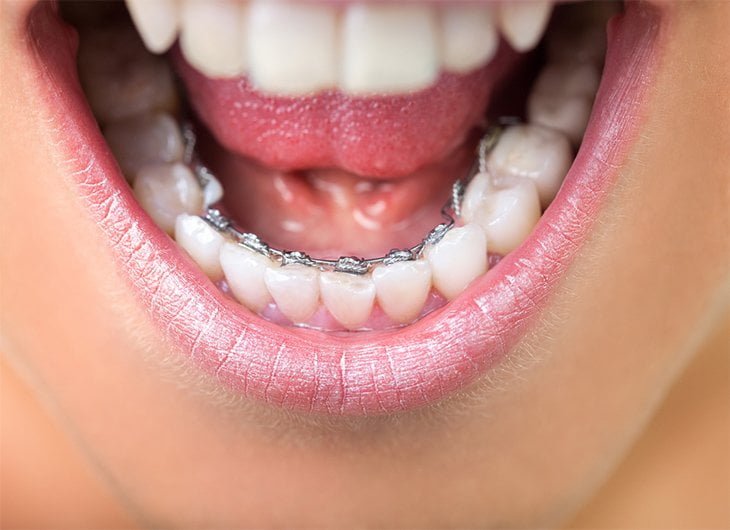
  • Lingual Braces: Placed behind the teeth for a discreet treatment option.
  • Clear Aligners: Removable and nearly invisible, ideal for adults seeking convenience.

A consultation with an orthodontist can determine the best option based on individual dental needs, lifestyle, and budget.

Benefits of Getting Braces as an Adult

Orthodontic treatment in adulthood can correct bite issues, improve oral hygiene, and reduce the risk of dental problems. Additionally, straightening teeth can enhance self-confidence, improve speech, and prevent further dental complications over time. Treatment duration may vary, but consistent follow-up ensures effective results.

Tips for Adults Considering Braces

Before getting braces, adults should:

  • Schedule a comprehensive dental evaluation.
  • Discuss any pre-existing dental conditions or restorations.
  • Maintain good oral hygiene throughout treatment.
  • Follow the orthodontist’s recommendations for optimal results.

With proper care and guidance, adults can achieve a healthy, aligned smile at any age.

4 Reasons To See a Cardiologist

INFO SPHERE

Your heart is one of the most vital organs in your body, and maintaining its health is essential for overall well-being. Cardiologists specialize in diagnosing, treating, and preventing heart conditions. Understanding when and why to see a cardiologist can help protect your heart and prevent serious complications.

1. Experiencing Chest Pain or Discomfort

Chest pain or discomfort is one of the most common reasons to consult a cardiologist. While it may not always indicate a heart problem, it can be a warning sign of angina, heart attack, or other cardiovascular conditions. A cardiologist can perform tests to determine the cause and recommend appropriate treatment.

2. High Blood Pressure or Cholesterol

Persistent high blood pressure or elevated cholesterol levels increase the risk of heart disease. Cardiologists can provide specialized guidance on managing these conditions, including lifestyle modifications, medications, and monitoring, to reduce the risk of heart attack or stroke.

3. Family History of Heart Disease

If you have a family history of heart disease, you may be at higher risk for cardiovascular problems. Seeing a cardiologist for early screening and preventive care can help identify risk factors and implement strategies to protect your heart before problems arise.

4. Experiencing Shortness of Breath or Fatigue

Shortness of breath, extreme fatigue, or unexplained dizziness can indicate underlying heart issues, including heart failure or arrhythmias. A cardiologist can perform diagnostic tests such as EKGs, echocardiograms, or stress tests to determine the cause and develop a treatment plan.

Conclusion

Seeing a cardiologist is essential not only for diagnosing heart problems but also for preventing serious complications. Whether you experience symptoms, have a family history, or want proactive heart care, consulting a cardiologist ensures your heart receives the attention it deserves. Regular check-ups, combined with a healthy lifestyle, can significantly improve cardiovascular health and quality of life.