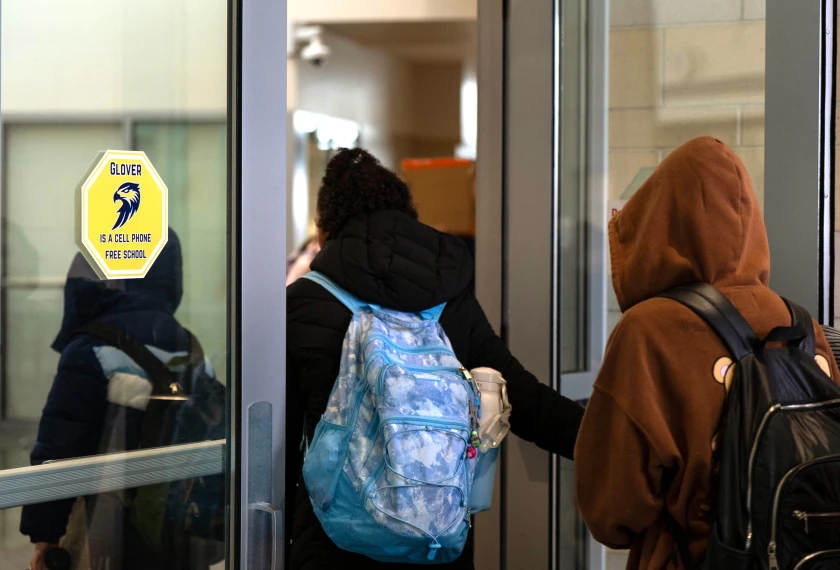
Cellphone bans in schools are becoming more common across the country. While educators and policymakers debate their effectiveness, students are the ones living with these changes every day. Listening to teens reveals how cellphone bans have reshaped learning, social interactions, and daily routines inside and outside the classroom.
Life in the Classroom Without Phones
Many teens say cellphone bans have helped them focus during class. Without constant notifications, students report paying closer attention to lessons and participating more in discussions. Some teens also say teachers spend less time managing distractions, creating a calmer learning environment overall.
However, not all students feel the same way. A number of teens say they miss using their phones for quick research, note-taking, or educational apps. For them, bans can feel restrictive rather than supportive, especially in tech-focused classrooms.
Changes to Social Interaction
One of the most noticeable effects of cellphone bans is how students interact with each other. Teens often say they talk more face-to-face during lunch and breaks. Many report stronger friendships and fewer misunderstandings without social media constantly in the mix.
At the same time, some students feel socially disconnected. Teens who rely on messaging apps to stay in touch with friends outside their immediate circles say bans can feel isolating, especially for shy or introverted students.
Mental Health and Stress Levels
Several teens say cellphone bans have reduced stress during the school day. Without the pressure to respond to messages or check social media, students feel less anxious and more present. Some even say they feel relieved having a built-in break from their screens.
Others point out that phones can be a source of comfort. For these teens, losing access during the day can increase anxiety, particularly when they want to check in with family or manage personal responsibilities.
Safety and Communication Concerns
Safety is a major topic when teens discuss cellphone bans. Some students worry about not being able to contact parents in emergencies. While most schools allow exceptions for safety, teens say clearer communication about these rules would help ease concerns.
What Teens Want Going Forward
Teens often suggest balanced approaches rather than full bans. Many support limited cellphone use during non-instructional time, allowing both focus and flexibility.
Conclusion
Cellphone bans affect students in different ways. By listening to what teens say, schools can create policies that support learning while respecting students’ real-life needs.