‘Band‑Aid Virtual Learning’: How Some Schools Respond When ICE Comes to Town
Across the U.S., school districts are facing a new challenge: immigration enforcement presence in communities and near school grounds. In response, some districts are turning to temporary virtual learning options as a “band‑aid” solution to keep students engaged and learning when fear of federal immigration actions prevents regular attendance.
Rising Concerns About Safety and Attendance
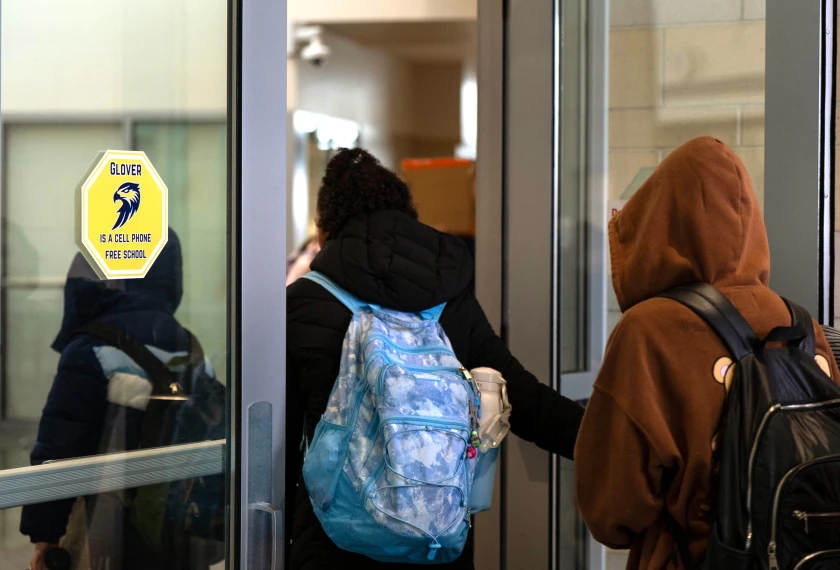
Beginning last year, federal policy changes eliminated previous protections that discouraged immigration enforcement actions near “sensitive locations” like schools. As a result, families in several states — including New Jersey, New York, and Pennsylvania — have expressed fear about sending children to school when U.S. Immigration and Customs Enforcement (ICE) agents are visible in their neighborhoods. This fear has driven some families to keep children at home, resulting in increased absenteeism.
Virtual Learning as a Temporary Response
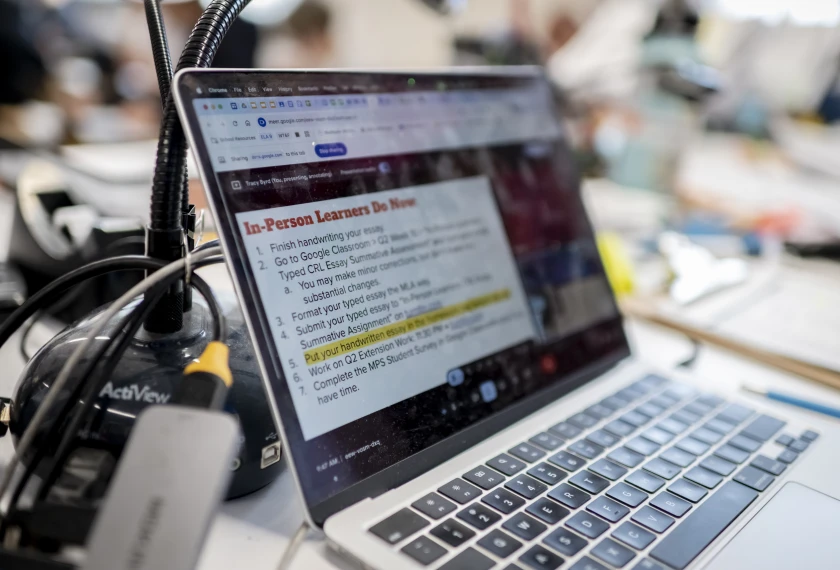
To address anxiety tied to immigration enforcement, some districts have considered or implemented temporary remote learning plans. In Minneapolis, for example, the school system announced a remote learning option for families during a period of heightened federal immigration activity. Teachers provide lessons both in the classroom and online, similar to models used during the COVID‑19 pandemic. This approach allows students who feel unsafe traveling to school to continue attending and be counted present for attendance and academic purposes.
Despite these efforts, educators and advocates stress that virtual learning should be a short‑term measure, not a long‑term fix. Temporary online options help students stay connected academically, but they do not address the underlying fears causing families to stay home.
Weighing Equity and Instruction Quality
Experts caution that emergency virtual learning can have drawbacks. During the pandemic, remote instruction revealed stark inequalities, including lost instructional time and gaps in access to devices and reliable internet service. District leaders must consider whether online learning will provide high‑quality instruction and whether it might unintentionally single out certain students or families based on fear of enforcement.
Legal and logistical questions also arise. State policies vary widely on when and how schools can implement remote learning outside scheduled closures. In dozens of states, remote instruction is allowed only under specific conditions, and in a few, it’s limited or not permitted at all.
Alternative Strategies Beyond Screens
Some districts are exploring additional options to support students in fear‑stricken communities. These include safe‑passage programs — volunteer groups escorting students to and from school — staggered drop‑off times, and increased adult supervision at bus stops. These strategies aim to keep children connected to their school community while making the journey to and from school feel safer.
Conclusion
Temporary virtual learning has emerged as one way districts respond when ICE activity causes students to stay home. While it helps maintain academic continuity, most educators agree it should be paired with community support, safety planning, and long‑term strategies that address the root causes of fear and improve access to education for all students.
Across the U.S., school districts are facing a new challenge: immigration enforcement presence in communities and near school grounds. In response, some districts are turning to temporary virtual learning options as a “band‑aid” solution to keep students engaged and learning when fear of federal immigration actions prevents regular attendance.
Rising Concerns About Safety and Attendance
Beginning last year, federal policy changes eliminated previous protections that discouraged immigration enforcement actions near “sensitive locations” like schools. As a result, families in several states — including New Jersey, New York, and Pennsylvania — have expressed fear about sending children to school when U.S. Immigration and Customs Enforcement (ICE) agents are visible in their neighborhoods. This fear has driven some families to keep children at home, resulting in increased absenteeism.
Virtual Learning as a Temporary Response
To address anxiety tied to immigration enforcement, some districts have considered or implemented temporary remote learning plans. In Minneapolis, for example, the school system announced a remote learning option for families during a period of heightened federal immigration activity. Teachers provide lessons both in the classroom and online, similar to models used during the COVID‑19 pandemic. This approach allows students who feel unsafe traveling to school to continue attending and be counted present for attendance and academic purposes.
Despite these efforts, educators and advocates stress that virtual learning should be a short‑term measure, not a long‑term fix. Temporary online options help students stay connected academically, but they do not address the underlying fears causing families to stay home.
Weighing Equity and Instruction Quality
Experts caution that emergency virtual learning can have drawbacks. During the pandemic, remote instruction revealed stark inequalities, including lost instructional time and gaps in access to devices and reliable internet service. District leaders must consider whether online learning will provide high‑quality instruction and whether it might unintentionally single out certain students or families based on fear of enforcement.
Legal and logistical questions also arise. State policies vary widely on when and how schools can implement remote learning outside scheduled closures. In dozens of states, remote instruction is allowed only under specific conditions, and in a few, it’s limited or not permitted at all.
Alternative Strategies Beyond Screens
Some districts are exploring additional options to support students in fear‑stricken communities. These include safe‑passage programs — volunteer groups escorting students to and from school. Furthermore, staggered drop‑off times, and increased adult supervision at bus stops. These strategies aim to keep children connected to their school community. Also while making the journey to and from school feel safer.
Conclusion
Temporary virtual learning has emerged as one way districts respond when ICE activity causes students to stay home. While it helps maintain academic continuity, most educators agree it should be paired with community support. Also, safety planning, and long‑term strategies that address the root causes. And of fear and improve access to education for all students.