

How To Fall Asleep Fast

INFO SPHERE

Struggling to fall asleep can affect your mood, productivity, and overall health. Learning how to fall asleep fast is essential for maintaining quality rest and feeling energized throughout the day. Several techniques and lifestyle changes can help you fall asleep more quickly and improve sleep quality.

Create a Relaxing Bedtime Routine

A consistent bedtime routine signals your body that it’s time to sleep. Activities such as reading a book, listening to calming music, or taking a warm bath can help relax your mind and body. Avoid screens and bright lights at least 30 minutes before bed, as blue light can interfere with melatonin production and delay sleep.

Optimize Your Sleep Environment

Your bedroom environment plays a key role in falling asleep fast. Keep your room cool, dark, and quiet to promote relaxation. Comfortable bedding and pillows also contribute to better sleep. Consider using blackout curtains, white noise machines, or sleep masks to create the ideal sleep environment.

Practice Relaxation Techniques

Relaxation techniques can calm your mind and body, making it easier to fall asleep:

  • Deep Breathing: Slow, deep breaths reduce tension and lower heart rate.
  • Progressive Muscle Relaxation: Tense and release muscles from head to toe to release stress.
  • Meditation or Guided Imagery: Focus on calming mental images or mindfulness to quiet the mind.

Limit Stimulants and Heavy Meals

Caffeine, nicotine, and large meals close to bedtime can interfere with sleep. Avoid consuming these substances at least 3–4 hours before sleeping. Instead, opt for light snacks if needed, and drink water moderately to avoid waking up during the night.

Establish a Consistent Sleep Schedule

Going to bed and waking up at the same time every day helps regulate your body’s internal clock. Consistency improves sleep efficiency, making it easier to fall asleep quickly and wake up feeling refreshed.

Conclusion

By creating a relaxing bedtime routine, optimizing your sleep environment, practicing relaxation techniques, and managing stimulants, you can learn how to fall asleep fast. Prioritizing sleep is essential for overall health, mood, and productivity.

Here’s Why You Gag While Brushing Your Teeth

INFO SPHERE

Gagging while brushing your teeth is a common experience that can make oral hygiene uncomfortable. Understanding why this happens can help you manage the reflex and maintain proper dental care. The gag reflex is a natural protective mechanism, but several factors can make it more sensitive during brushing.

What Causes the Gag Reflex

The gag reflex is triggered when the soft palate, back of the throat, or tongue is stimulated. This reflex helps prevent choking, but some people have a heightened sensitivity. When brushing, touching the back of the tongue or roof of the mouth can activate this reflex, leading to gagging.

Common Triggers While Brushing

Several factors can make gagging more likely during brushing:

  • Brushing Too Far Back: Reaching the back molars or tongue can trigger the reflex.
  • Toothbrush Size or Shape: Large or stiff toothbrushes may be uncomfortable in the mouth.
  • Strong Toothpaste Flavor: Minty or intense flavors can irritate the throat.
  • Dental Anxiety: Stress or fear during brushing can heighten sensitivity.

Identifying your triggers can help you adjust your technique and reduce discomfort.

Tips to Minimize Gagging

Here are some strategies to manage gagging while brushing:

  • Use a Smaller Toothbrush: Opt for a child-sized or compact toothbrush to reach the back teeth comfortably.
  • Brush in Sections: Focus on smaller areas rather than trying to reach all teeth at once.
  • Change Toothpaste: Mild-flavored toothpaste may reduce irritation.
  • Breathe Through Your Nose: Steady breathing can calm the gag reflex.
  • Practice Gradually: Gradually brushing farther back over time can help desensitize the reflex.

When to See a Dentist

If gagging severely affects oral hygiene, consult a dentist or dental hygienist. They can provide tips, demonstrate proper brushing techniques, or recommend alternative tools such as electric toothbrushes or specialized mouthguards to make brushing more comfortable.

Understanding why you gag while brushing your teeth helps you take control of your oral hygiene. With practice, the right tools, and proper technique, most people can reduce or eliminate gagging, ensuring healthier teeth and gums.

Can Adults Get Braces?

INFO SPHERE

Braces are commonly associated with teenagers, but adults can also benefit from orthodontic treatment. Advances in dental technology have made it easier for adults to straighten their teeth, correct bite issues, and improve their overall oral health. Understanding how adult braces work can help you make informed decisions about treatment.

Why Adults Consider Braces

Adults often seek braces for both functional and aesthetic reasons. Crooked or misaligned teeth can lead to difficulty chewing, jaw pain, and increased risk of cavities or gum disease. Many adults also want to improve the appearance of their smile, which can boost confidence and enhance social and professional interactions.

Types of Braces for Adults

Modern orthodontics offers several options for adult braces:

  • Traditional Metal Braces: Effective for complex dental issues and tooth alignment.
  • Ceramic Braces: Less noticeable than metal braces and blend with natural teeth.
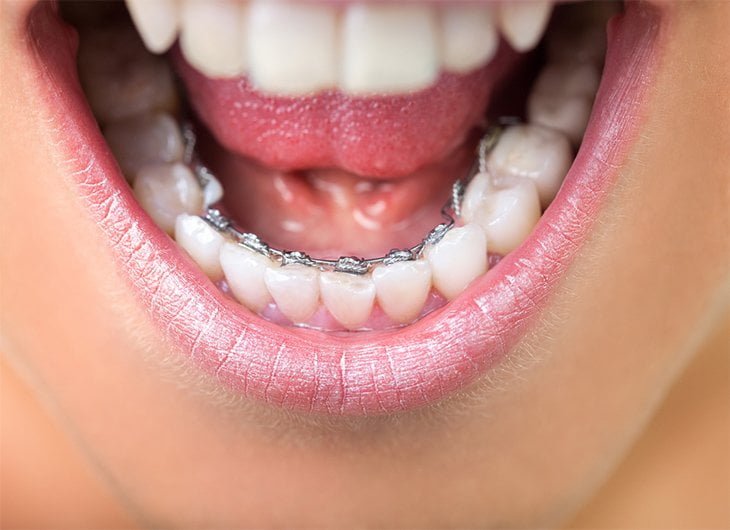
  • Lingual Braces: Placed behind the teeth for a discreet treatment option.
  • Clear Aligners: Removable and nearly invisible, ideal for adults seeking convenience.

A consultation with an orthodontist can determine the best option based on individual dental needs, lifestyle, and budget.

Benefits of Getting Braces as an Adult

Orthodontic treatment in adulthood can correct bite issues, improve oral hygiene, and reduce the risk of dental problems. Additionally, straightening teeth can enhance self-confidence, improve speech, and prevent further dental complications over time. Treatment duration may vary, but consistent follow-up ensures effective results.

Tips for Adults Considering Braces

Before getting braces, adults should:

  • Schedule a comprehensive dental evaluation.
  • Discuss any pre-existing dental conditions or restorations.
  • Maintain good oral hygiene throughout treatment.
  • Follow the orthodontist’s recommendations for optimal results.

With proper care and guidance, adults can achieve a healthy, aligned smile at any age.

4 Reasons To See a Cardiologist

INFO SPHERE

Your heart is one of the most vital organs in your body, and maintaining its health is essential for overall well-being. Cardiologists specialize in diagnosing, treating, and preventing heart conditions. Understanding when and why to see a cardiologist can help protect your heart and prevent serious complications.

1. Experiencing Chest Pain or Discomfort

Chest pain or discomfort is one of the most common reasons to consult a cardiologist. While it may not always indicate a heart problem, it can be a warning sign of angina, heart attack, or other cardiovascular conditions. A cardiologist can perform tests to determine the cause and recommend appropriate treatment.

2. High Blood Pressure or Cholesterol

Persistent high blood pressure or elevated cholesterol levels increase the risk of heart disease. Cardiologists can provide specialized guidance on managing these conditions, including lifestyle modifications, medications, and monitoring, to reduce the risk of heart attack or stroke.

3. Family History of Heart Disease

If you have a family history of heart disease, you may be at higher risk for cardiovascular problems. Seeing a cardiologist for early screening and preventive care can help identify risk factors and implement strategies to protect your heart before problems arise.

4. Experiencing Shortness of Breath or Fatigue

Shortness of breath, extreme fatigue, or unexplained dizziness can indicate underlying heart issues, including heart failure or arrhythmias. A cardiologist can perform diagnostic tests such as EKGs, echocardiograms, or stress tests to determine the cause and develop a treatment plan.

Conclusion

Seeing a cardiologist is essential not only for diagnosing heart problems but also for preventing serious complications. Whether you experience symptoms, have a family history, or want proactive heart care, consulting a cardiologist ensures your heart receives the attention it deserves. Regular check-ups, combined with a healthy lifestyle, can significantly improve cardiovascular health and quality of life.

Can You Prevent a Heart Attack?

INFO SPHERE

Heart attacks are a leading cause of death worldwide, but the good news is that many cases can be prevented. Understanding the risk factors and adopting a heart-healthy lifestyle are key steps in reducing the likelihood of a heart attack.

Know the Risk Factors

Several factors increase the risk of a heart attack. These include high blood pressure, high cholesterol, smoking, diabetes, obesity, physical inactivity, and excessive stress. Family history and age also play a role. Recognizing these risks allows individuals to take preventive measures before problems develop.

Maintain a Healthy Diet

Eating a balanced diet is essential for heart health. Focus on fruits, vegetables, whole grains, lean proteins, and healthy fats such as those found in olive oil, nuts, and fatty fish. Reducing salt, sugar, and saturated fat intake can lower blood pressure and cholesterol, two major contributors to heart attacks.

Stay Physically Active

Regular exercise strengthens the heart, improves circulation, and helps maintain a healthy weight. Activities like brisk walking, cycling, swimming, or jogging for at least 150 minutes per week can significantly reduce heart attack risk. Even small lifestyle changes, like taking stairs instead of the elevator, can make a difference.

Avoid Smoking and Limit Alcohol

Smoking damages blood vessels and increases heart disease risk. Quitting smoking is one of the most effective ways to prevent a heart attack. Similarly, limiting alcohol intake helps reduce high blood pressure and triglyceride levels, protecting cardiovascular health.

Manage Stress and Monitor Health

Chronic stress can negatively impact heart health, so incorporating relaxation techniques such as meditation, yoga, or deep breathing exercises is beneficial. Regular check-ups and monitoring blood pressure, cholesterol, and blood sugar levels allow for early intervention when needed.

Conclusion

While genetics and age cannot be controlled, many lifestyle factors that contribute to heart attacks can be managed. By adopting a heart-healthy diet, exercising regularly, avoiding smoking, limiting alcohol, and managing stress, individuals can significantly reduce their risk of experiencing a heart attack.