Dry mouth, or xerostomia, is a common condition that can cause discomfort, bad breath, and difficulty eating or speaking. It occurs when saliva production decreases, often due to medications, dehydration, or certain health conditions. Fortunately, there are practical ways to relieve dry mouth and improve oral comfort.
1. Stay Hydrated
Drinking plenty of water throughout the day helps keep your mouth moist. Sip water frequently, especially during meals or in dry environments, to maintain adequate saliva flow.
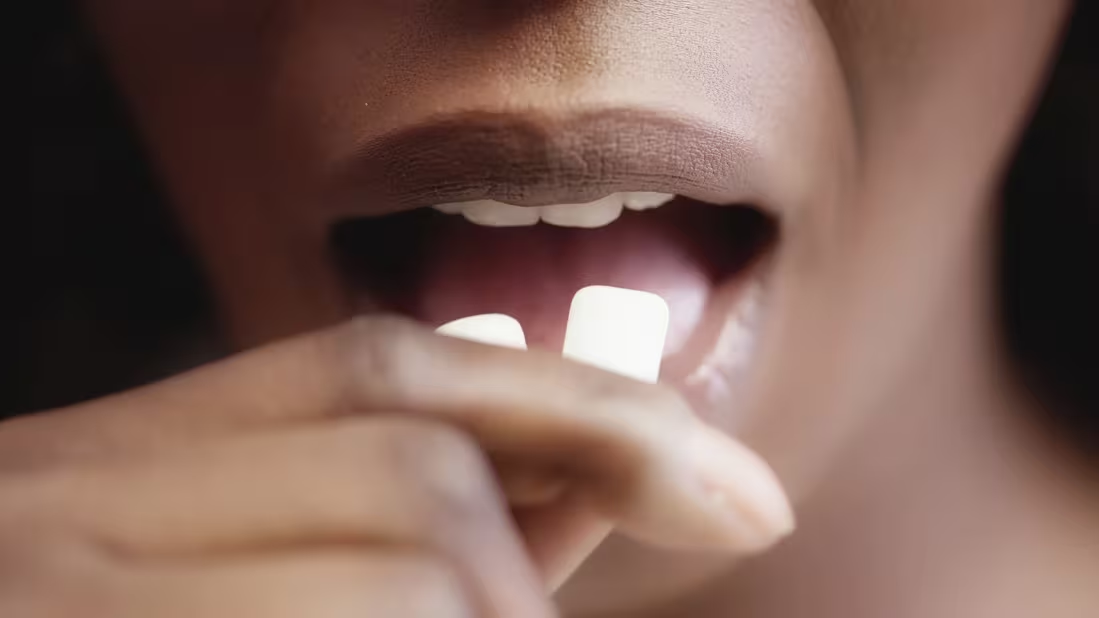
2. Chew Sugar-Free Gum
Chewing sugar-free gum or sucking on sugar-free candies can stimulate saliva production. Look for products containing xylitol, which also helps prevent cavities.
3. Use a Humidifier
Sleeping in a room with dry air can worsen dry mouth. Using a humidifier adds moisture to the air, helping reduce discomfort, especially at night.
4. Avoid Caffeine and Alcohol
Both caffeine and alcohol can contribute to dehydration and reduce saliva production. Limiting coffee, tea, and alcoholic beverages may help alleviate dry mouth symptoms.
5. Quit Smoking
Tobacco use can dry out your mouth and damage oral tissues. Quitting smoking improves saliva production and overall oral health.
6. Use Alcohol-Free Mouthwash
Alcohol-based mouthwashes can further dry the mouth. Choose alcohol-free formulas designed for dry mouth relief to maintain moisture and freshen breath.
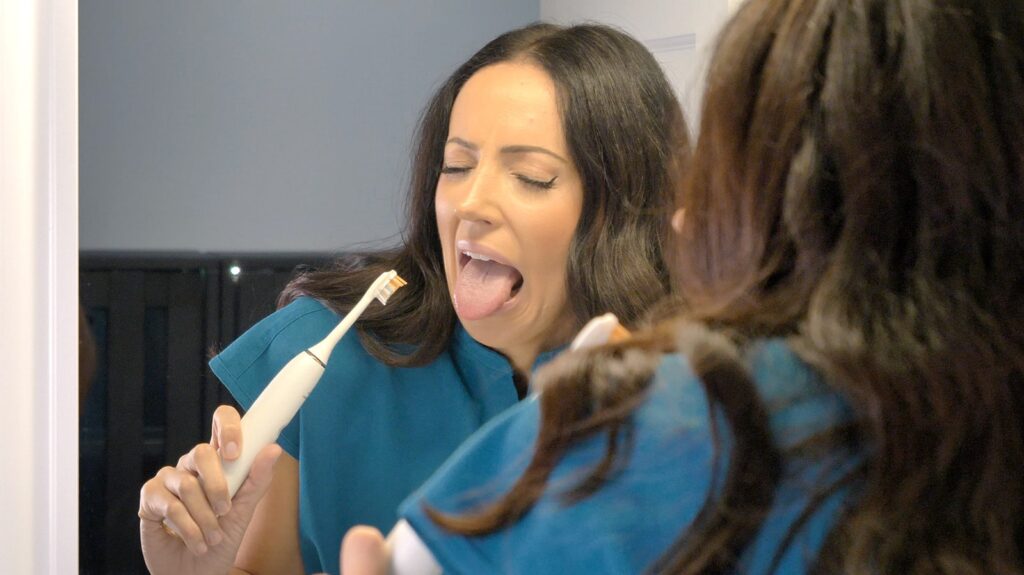
7. Maintain Oral Hygiene
Brush and floss regularly to prevent tooth decay and gum disease, which can be exacerbated by a dry mouth. Consider using fluoride toothpaste or rinses for extra protection.
8. Avoid Salty or Spicy Foods
Salty and spicy foods can irritate the mouth and worsen dryness. Opt for milder foods and stay hydrated while eating.
9. Try Saliva Substitutes
Over-the-counter saliva substitutes or oral moisturizers can help keep the mouth hydrated when natural saliva production is low.
10. Consult a Healthcare Professional
Persistent dry mouth may signal underlying conditions such as diabetes, Sjögren’s syndrome, or medication side effects. Speak with a dentist or doctor for proper evaluation and treatment options.
Conclusion
Dry mouth can be uncomfortable, but adopting hydration habits, oral care routines, and lifestyle changes can provide relief. By following these 10 tips, you can maintain better oral health and improve your daily comfort.