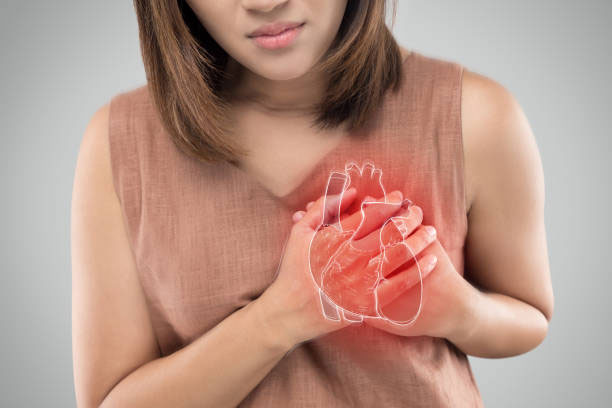
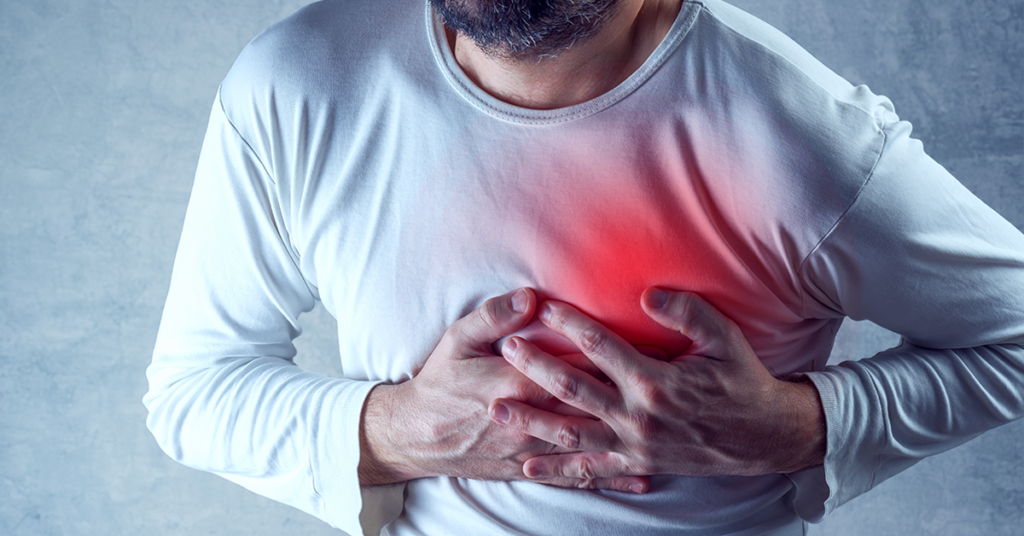
Can You Prevent a Heart Attack?

INFO SPHERE

Heart attacks are a leading cause of death worldwide, but the good news is that many cases can be prevented. Understanding the risk factors and adopting a heart-healthy lifestyle are key steps in reducing the likelihood of a heart attack.

Know the Risk Factors

Several factors increase the risk of a heart attack. These include high blood pressure, high cholesterol, smoking, diabetes, obesity, physical inactivity, and excessive stress. Family history and age also play a role. Recognizing these risks allows individuals to take preventive measures before problems develop.

Maintain a Healthy Diet

Eating a balanced diet is essential for heart health. Focus on fruits, vegetables, whole grains, lean proteins, and healthy fats such as those found in olive oil, nuts, and fatty fish. Reducing salt, sugar, and saturated fat intake can lower blood pressure and cholesterol, two major contributors to heart attacks.

Stay Physically Active

Regular exercise strengthens the heart, improves circulation, and helps maintain a healthy weight. Activities like brisk walking, cycling, swimming, or jogging for at least 150 minutes per week can significantly reduce heart attack risk. Even small lifestyle changes, like taking stairs instead of the elevator, can make a difference.

Avoid Smoking and Limit Alcohol

Smoking damages blood vessels and increases heart disease risk. Quitting smoking is one of the most effective ways to prevent a heart attack. Similarly, limiting alcohol intake helps reduce high blood pressure and triglyceride levels, protecting cardiovascular health.

Manage Stress and Monitor Health

Chronic stress can negatively impact heart health, so incorporating relaxation techniques such as meditation, yoga, or deep breathing exercises is beneficial. Regular check-ups and monitoring blood pressure, cholesterol, and blood sugar levels allow for early intervention when needed.

Conclusion

While genetics and age cannot be controlled, many lifestyle factors that contribute to heart attacks can be managed. By adopting a heart-healthy diet, exercising regularly, avoiding smoking, limiting alcohol, and managing stress, individuals can significantly reduce their risk of experiencing a heart attack.

HDL vs. LDL: What’s the Difference?

INFO SPHERE

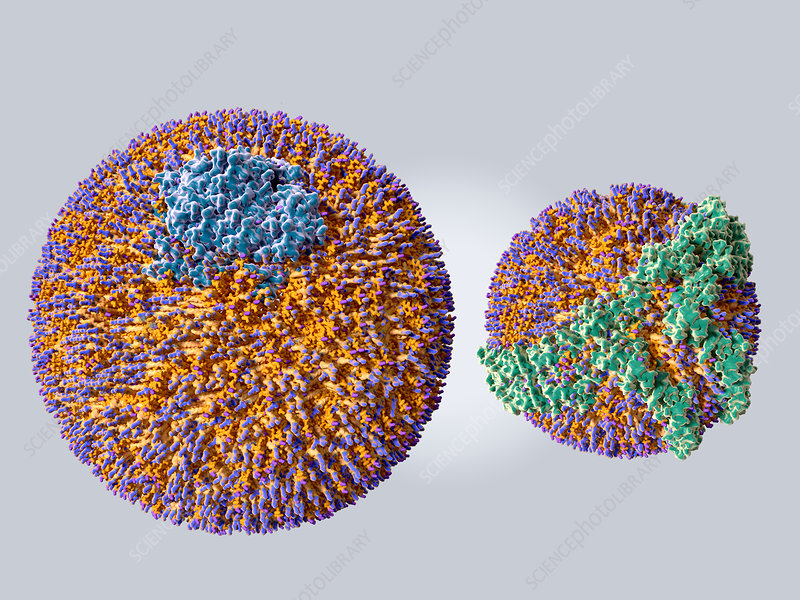
Understanding the difference between HDL and LDL cholesterol is essential for maintaining heart health. Cholesterol is a type of fat in the blood that your body needs for various functions, but too much of the wrong kind can increase the risk of heart disease and stroke.

What Is HDL Cholesterol?

HDL stands for high-density lipoprotein. Often referred to as “good cholesterol,” HDL helps remove excess cholesterol from the bloodstream, transporting it to the liver for processing and excretion. Higher HDL levels are associated with a lower risk of heart disease because it helps prevent cholesterol buildup in the arteries.

What Is LDL Cholesterol?

LDL stands for low-density lipoprotein. Known as “bad cholesterol,” LDL can accumulate in the walls of blood vessels, forming plaque that narrows arteries and increases the risk of heart attack and stroke. High levels of LDL cholesterol are a major contributor to cardiovascular disease.

Key Differences Between HDL and LDL

  • Function: HDL removes cholesterol from arteries, while LDL deposits cholesterol in artery walls.
  • Impact on Heart Health: High HDL is protective, whereas high LDL increases heart disease risk.
  • Ideal Levels: For most adults, HDL should be above 60 mg/dL, while LDL should remain below 100 mg/dL.

How to Improve Your Cholesterol Profile

To maintain a healthy balance between HDL and LDL:

  1. Eat a Heart-Healthy Diet: Focus on fruits, vegetables, whole grains, and lean proteins. Limit saturated and trans fats.
  2. Exercise Regularly: Physical activity can help raise HDL and lower LDL cholesterol.
  3. Maintain a Healthy Weight: Losing excess weight can improve overall cholesterol levels.
  4. Avoid Smoking: Smoking lowers HDL and damages blood vessels.
  5. Monitor Health: Regular blood tests can track cholesterol levels and guide lifestyle or medical interventions.

Understanding HDL vs. LDL helps you make informed decisions about diet, exercise, and lifestyle to protect your heart. Maintaining optimal cholesterol levels is a key step toward reducing the risk of cardiovascular disease.

10 Ways To Lower Your Triglyceride Levels

INFO SPHERE

High triglyceride levels can increase the risk of heart disease, stroke, and other cardiovascular conditions. Triglycerides are a type of fat found in the blood, and elevated levels often result from poor diet, sedentary lifestyle, or underlying health conditions. Understanding how to lower triglycerides is essential for maintaining overall heart health.

1. Adopt a Heart-Healthy Diet

Focus on a diet rich in fruits, vegetables, whole grains, and lean proteins. Reducing refined carbohydrates, added sugars, and saturated fats can significantly lower triglyceride levels. Incorporate foods high in omega-3 fatty acids, such as salmon, walnuts, and flaxseeds, for added heart benefits.

2. Exercise Regularly

Engaging in regular physical activity, such as brisk walking, cycling, or swimming, can help reduce triglycerides and improve overall cardiovascular health. Aim for at least 150 minutes of moderate-intensity exercise per week.

3. Limit Alcohol Consumption

Alcohol can raise triglyceride levels, especially when consumed in excess. Limiting or avoiding alcohol can help maintain healthier blood lipid levels.

4. Maintain a Healthy Weight

Losing excess weight can lower triglycerides significantly. Even a modest reduction of 5–10% of body weight can have a noticeable impact on lipid levels and overall heart health.

5. Reduce Sugar Intake

High sugar consumption can lead to elevated triglycerides. Avoid sugary drinks, desserts, and processed foods, and opt for natural sweeteners or fruit when possible.

6. Avoid Trans Fats

Trans fats, often found in processed and fried foods, can raise triglyceride levels and negatively affect heart health. Read labels carefully and choose healthier fat sources like olive oil or avocado.

7. Increase Fiber Intake

Dietary fiber, found in fruits, vegetables, legumes, and whole grains, can help lower triglycerides by improving digestion and regulating blood sugar levels.

8. Quit Smoking

Smoking can worsen cardiovascular health and elevate triglycerides. Quitting smoking has immediate and long-term benefits for heart health.

9. Manage Stress

Chronic stress can affect hormone levels and increase triglycerides. Techniques such as meditation, yoga, and deep breathing can help manage stress effectively.

10. Monitor Your Health Regularly

Regular blood tests and check-ups with your healthcare provider can help track triglyceride levels and ensure timely interventions if needed.

The Relationship Between Eggs, Cholesterol, and Heart Health

INFO SPHERE

Eggs are a staple in many diets around the world, prized for their protein, vitamins, and versatility. However, their cholesterol content has raised concerns regarding heart health. Understanding the relationship between eggs, cholesterol, and heart health can help individuals make informed dietary choices.

Eggs and Cholesterol: The Basics

Eggs naturally contain cholesterol, primarily in the yolk. For many years, dietary cholesterol was thought to significantly impact blood cholesterol levels, leading to concerns about consuming eggs regularly. Research now suggests that for most healthy individuals, dietary cholesterol has a smaller effect on blood cholesterol than previously believed.

How Eggs Affect Heart Health

Moderate egg consumption can be part of a heart-healthy diet. Eggs provide essential nutrients such as choline, lutein, and omega-3 fatty acids, which support brain function and cardiovascular health. Studies indicate that eating up to one egg per day is generally safe for most people and does not significantly increase the risk of heart disease.

Factors That Influence Heart Health

While eggs can be included in a balanced diet, individual health conditions matter. People with familial hypercholesterolemia or existing heart disease may need to monitor cholesterol intake more carefully. Lifestyle factors, such as regular exercise, maintaining a healthy weight, and avoiding excessive saturated fats, also play a significant role in overall heart health.

Tips for Including Eggs in a Heart-Healthy Diet

  • Opt for cooking methods that require minimal added fat, such as boiling, poaching, or steaming.
  • Combine eggs with vegetables and whole grains to create balanced meals rich in fiber.
  • Limit processed meats like bacon or sausage, which can negate the heart-healthy benefits of eggs.
  • Monitor portion sizes and enjoy eggs in moderation as part of a varied diet.

By understanding the relationship between eggs, cholesterol, and heart health, individuals can make smarter dietary choices without unnecessarily eliminating nutrient-rich foods like eggs.