
Across the U.S. and beyond, school districts are rethinking how much screen time young children really need. One district is taking a proactive approach by limiting screen use in early grades and promoting habits that support long-term learning, focus, and well-being.
Educators say the goal isn’t to reject technology, but to help children build strong foundations before screens become a daily norm.
Why Reducing Screen Time Matters for Young Kids
Research shows that excessive screen time can affect attention spans, sleep patterns, and social development in early childhood. For this reason, the district’s policy focuses on hands-on learning, movement, and face-to-face interaction.
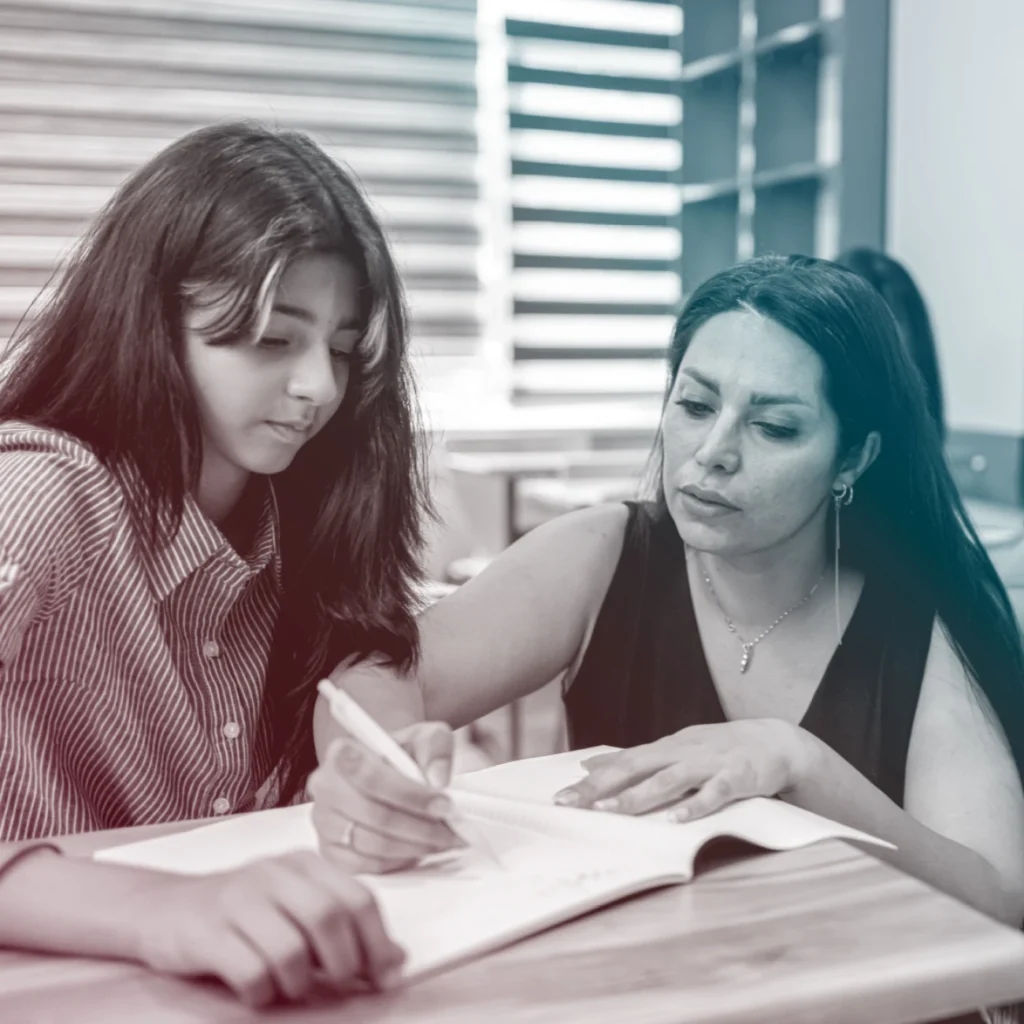
By reducing digital distractions, classrooms are being reshaped into environments where curiosity, creativity, and collaboration are encouraged. As a result, students are spending more time reading, drawing, and problem-solving together.
What the District’s Policy Looks Like
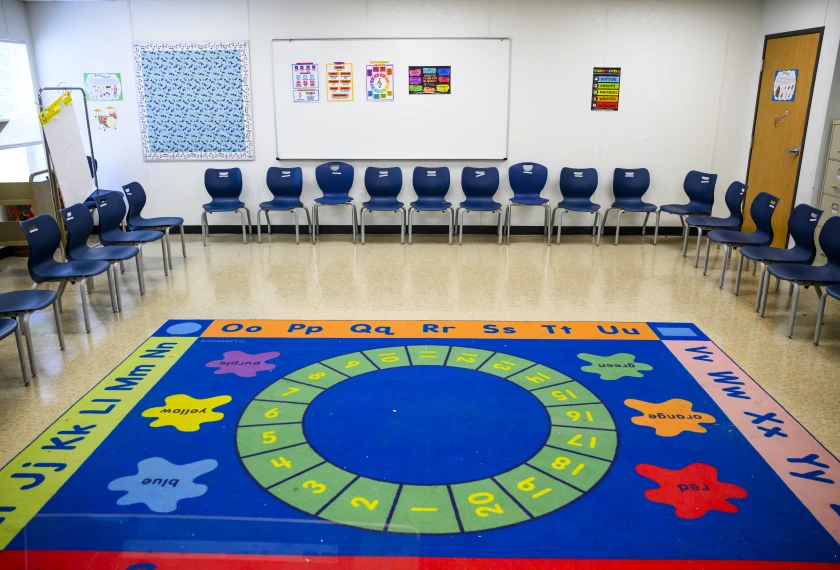
In this district, screens are limited or removed in preschool through early elementary grades. Tablets and laptops are only used when they clearly support learning goals. Otherwise, traditional teaching tools are prioritized.
Teachers are also receiving guidance on how to design engaging lessons without relying on digital devices. Because of this, classroom activities often include storytelling, group projects, and outdoor learning.
Positive Changes Teachers and Parents Are Seeing
Teachers report improved focus and stronger classroom engagement. Without constant screen exposure, students are more willing to participate in discussions and complete tasks independently.
Parents have noticed changes at home as well. Many say their children are asking for books, games, and creative activities instead of screens. Over time, these behaviors are helping families reinforce healthy routines beyond the school day.
Teaching Digital Balance, Not Avoidance
District leaders emphasize that technology still has an important role in education. However, digital skills are being introduced gradually and intentionally. By first teaching self-regulation and curiosity, children are better prepared to use technology responsibly later on.
Building Habits That Last a Lifetime
By keeping young kids off screens early, the district aims to support habits that last well into adulthood. These “great lifelong habits” include focus, communication, and a love of learning.
Conclusion
This district’s approach shows that reducing screen time in early education can benefit students academically and socially. With thoughtful planning, schools can balance technology while putting children’s development first.