Mouth taping has gained attention as a technique to encourage nasal breathing during sleep. Advocates suggest it may improve sleep quality, reduce snoring, and support oral health. However, questions remain about its safety, especially for certain individuals. Understanding the benefits and risks can help you make an informed decision.
How Mouth Tape Works
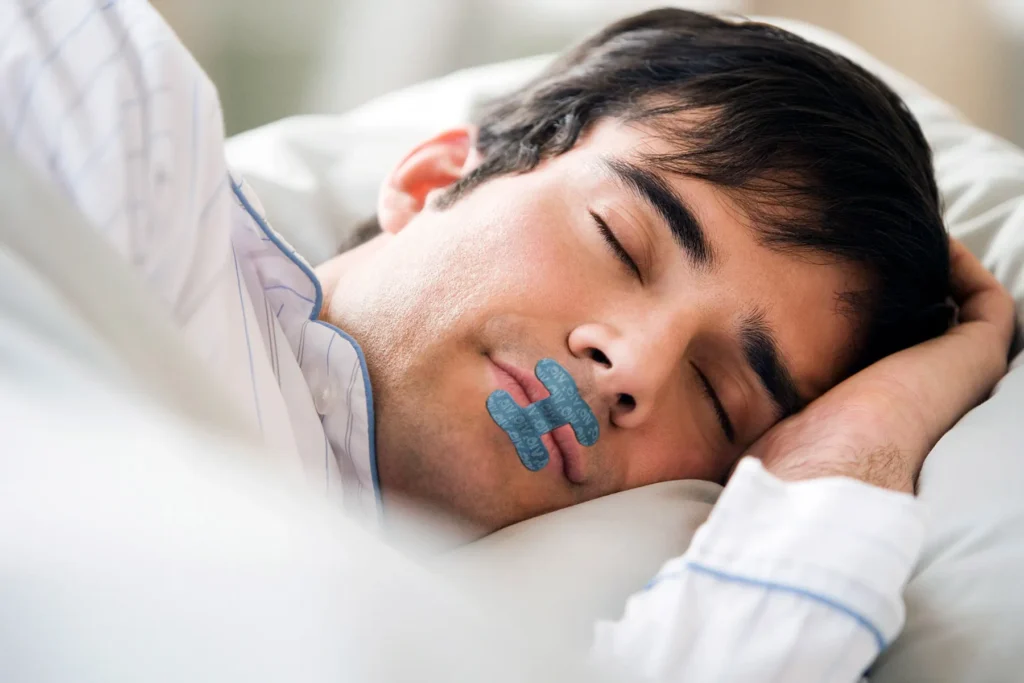
Mouth tape is a small adhesive strip placed over the lips to gently keep the mouth closed while sleeping. By promoting nasal breathing, it can enhance oxygen intake, reduce dry mouth, and encourage better sleep patterns. Nasal breathing also helps filter and humidify air before it reaches the lungs.
Potential Benefits of Mouth Taping
- Improved Sleep Quality: Nasal breathing may reduce sleep disturbances and increase deep sleep duration.
- Reduced Snoring: Keeping the mouth closed can minimize vibrations that cause snoring.
- Better Oral Health: Reduced mouth breathing may prevent dry mouth, bad breath, and increased risk of cavities.
Safety Considerations
While mouth tape can be beneficial, it is not safe for everyone:
- Breathing Issues: Individuals with sleep apnea, asthma, or nasal obstructions should avoid mouth taping without medical guidance.
- Skin Sensitivity: Adhesive tape may irritate sensitive skin or cause allergic reactions.
- Comfort and Fit: Using tape that is too tight or hard to remove can create discomfort or panic.
Consult a healthcare provider before trying mouth tape, especially if you have underlying respiratory or sleep conditions.
Tips for Safe Mouth Taping
- Use Medical-Grade Tape: Choose tape designed specifically for skin to minimize irritation.
- Test Gradually: Start with short periods while awake to assess comfort and tolerance.
- Ensure Nasal Breathing: Clear nasal passages before sleep to avoid breathing difficulties.
- Remove Safely: Keep the tape easy to remove in case of discomfort.
Conclusion
Mouth tape can be safe for some individuals and may offer benefits like improved sleep and reduced snoring. However, it is not recommended for people with breathing difficulties or nasal obstruction without consulting a healthcare professional. When used responsibly, mouth taping can be a helpful addition to a healthy sleep routine.