
The Biggest Offseason Needs for All 32 NFL Teams: QBs, WRs, and Pass Rush Help?

INFO SPHERE

As the NFL offseason begins, all 32 teams face critical roster decisions that could shape the upcoming season. While each franchise has unique priorities, three needs dominate league-wide discussions: quarterback stability, wide receiver upgrades, and pass rush help. Addressing these areas could be the difference between contention and rebuilding.

Quarterback Questions Remain Central

Quarterback remains the most important position in football, and several teams enter the offseason without long-term answers. Some franchises are evaluating young signal-callers, while others may explore veteran options through free agency or the draft. Even teams with established starters are seeking depth and competition, recognizing how quickly injuries can derail a season.

For rebuilding teams, finding a franchise quarterback is often the top priority. For contenders, refining the position with better protection or a reliable backup can be just as crucial.

Wide Receivers Drive Modern Offenses

The modern NFL is built around explosive passing attacks, making wide receivers a major offseason focus. Several teams lack a true No. 1 receiver who can stretch the field and create separation. Others need depth to complement existing stars or to replace aging veterans.

Adding playmakers at receiver can instantly elevate an offense, improve quarterback efficiency, and force defenses to adjust coverage schemes. As a result, wide receiver is expected to be one of the most active positions in free agency and the draft.

Pass Rush Help Is a Defensive Priority

On defense, generating pressure without blitzing remains a key goal. Many teams struggled last season to consistently pressure opposing quarterbacks, exposing weaknesses in the secondary. Pass rushers are in high demand, whether through edge defenders or interior disruptors.

A strong pass rush can mask other defensive flaws and swing close games. Teams looking to contend know that investing in pressure up front is essential in a quarterback-driven league.

Different Paths for Different Teams

While QBs, WRs, and pass rush help stand out, not every team will address them the same way. Some franchises may focus on development, while others aggressively pursue trades or free agents. Salary cap space, draft position, and competitive timelines will influence each team’s approach.

Final Thoughts

As the offseason unfolds, roster-building strategies will define the league’s next chapter. Whether through bold moves or smart development, addressing quarterback play, wide receiver talent, and pass rush production remains the clearest path toward success for all 32 NFL teams.


‘Star Search,’ Plus 7 Things to Watch on TV This Week

INFO SPHERE

Looking for something new to stream or watch live? This week’s TV lineup offers a mix of nostalgia, drama, reality competition, and binge-worthy series. From the return of “Star Search” to compelling new episodes and finales, here are seven things to watch on TV this week that deserve a spot on your schedule.

1. Star Search Makes a Comeback

The iconic talent competition Star Search returns, bringing fresh performers and a modern twist to the classic format. Known for launching major stars in the past, the show blends nostalgia with contemporary judging and high-energy performances that appeal to longtime fans and new viewers alike.

2. A Prestige Drama Hits Its Midseason Peak

One of this season’s most talked-about dramas delivers a pivotal episode this week. Expect emotional confrontations, surprising reveals, and performances that could factor into awards-season conversations.

3. Reality TV Brings the Drama

A popular reality competition series ramps up the stakes as contestants face eliminations and unexpected alliances. This week’s episode promises tension, twists, and moments tailor-made for social media reactions.

4. A New Comedy Finds Its Groove

A freshman comedy series continues to build momentum with sharper writing and stronger character development. This week’s episode leans into humor while exploring relatable themes like work, friendship, and ambition.

5. True Crime With a New Angle

True crime fans can tune in to a new documentary episode that revisits a familiar case from a fresh perspective. With new interviews and previously unseen details, the series challenges long-held assumptions.

6. Streaming Sci-Fi Expands Its Universe

A popular sci-fi series on streaming platforms delivers a visually striking episode that deepens its mythology. Fans can expect world-building, action, and clues that hint at what’s coming later in the season.

7. A Season Finale Worth Watching Live

One of the week’s biggest draws is a highly anticipated season finale. With cliffhangers expected, watching live may be the best way to avoid spoilers and join the conversation as it unfolds.

What Makes This Week Stand Out

This week’s TV offerings balance comfort viewing with bold storytelling. Whether you’re tuning in for talent competitions, gripping drama, or escapist entertainment, there’s something worth watching every night.

Epstein Files Hint at His Ties to the Supermodel Naomi Campbell

INFO SPHERE

Recently released Epstein files have renewed scrutiny over Jeffrey Epstein’s social connections, including reported links to supermodel Naomi Campbell. The documents have fueled public discussion about Epstein’s elite social circle and how deeply his influence extended into fashion, politics, and entertainment.

What the Epstein Files Reveal

The Epstein files include travel logs, contact lists, and testimony that reference numerous high-profile figures. Among those mentioned is Naomi Campbell, a globally recognized supermodel who moved in many of the same elite circles Epstein frequented.

It is important to note that being named in the files does not imply wrongdoing. The documents largely reflect associations and social overlap rather than criminal accusations.

Naomi Campbell’s Public Position

Naomi Campbell has previously acknowledged knowing Epstein socially but has strongly denied any awareness of or involvement in his criminal activities. She has stated that she cut ties with Epstein once she learned of his convictions.

Campbell has consistently emphasized that she never witnessed or participated in illegal conduct and has cooperated with any inquiries related to Epstein’s network.

Why These Connections Matter

Epstein’s ability to associate with powerful figures remains a key focus of ongoing investigations and public interest. His relationships highlight how wealth and access allowed him to embed himself within influential communities, often without meaningful scrutiny.

For public figures like Campbell, the renewed attention underscores the difficulty of distancing personal reputation from controversial associations, even when no wrongdoing is alleged.

Media and Public Reaction

Media coverage of the Epstein files has prompted widespread debate about accountability and transparency. Supporters of Campbell argue that focusing on her name distracts from the broader systemic failures that enabled Epstein’s behavior. Critics, however, continue to question how prominent figures interacted with him despite his known past.

The discussion reflects a larger cultural reckoning about power, privilege, and responsibility within elite social networks.

Broader Implications

The Epstein files serve as a reminder of how unchecked influence can operate behind closed doors. They also reinforce the need for clearer boundaries, due diligence, and accountability when public figures engage with wealthy benefactors.

As investigations and document releases continue, the focus remains on understanding the full scope of Epstein’s network rather than assigning guilt by association.

Conclusion

While the Epstein files hint at social ties between Jeffrey Epstein and Naomi Campbell, no evidence has emerged suggesting criminal wrongdoing by the supermodel. The revelations instead spotlight the troubling reach of Epstein’s influence and the lingering questions surrounding elite accountability.

Epstein’s Ties With Academics Show the Seedy Side of College Fund-Raising

INFO SPHERE

Epstein academic ties college. The late financier Jeffrey Epstein’s connections with prominent academics and elite universities continue to cast a long shadow over higher education. These ties have exposed uncomfortable truths about how college fund-raising operates behind the scenes, raising questions about ethics, accountability, and institutional oversight.

A Network Built on Access and Money

Epstein cultivated relationships with well-known professors, researchers, and university leaders over many years. Through donations, introductions, and exclusive gatherings, he gained access to academic spaces that often pride themselves on moral leadership. In some cases, his financial contributions continued even after his criminal record became widely known.

These relationships were not always transparent, and in several instances, donations were routed through intermediaries, making oversight more difficult.

Why Universities Looked the Other Way

College fund-raising is highly competitive, especially among elite institutions. Major donors can unlock research funding, prestige, and influence. Critics argue that this pressure created an environment where ethical red flags were ignored or minimized in favor of financial gain.

University administrators often justified these relationships by separating the source of funds from their academic purpose. That separation, however, has proven deeply flawed.

Impact on Academic Integrity

The revelations surrounding Epstein’s academic ties have damaged public trust in higher education. Students, faculty, and alumni have questioned whether universities truly uphold their stated values when money is at stake.

Some institutions have since launched internal reviews, returned donations, or revised fund-raising policies. Still, critics say these actions came too late and only after public exposure forced accountability.

A Broader Systemic Problem

Epstein’s case is extreme, but it highlights a broader issue in college fund-raising culture. Wealthy donors often receive privileged access, influence over research priorities, or association with institutional prestige, regardless of their personal conduct.

This dynamic creates vulnerability, allowing ethically compromised individuals to launder reputations through academic affiliation.

Calls for Reform

In response, experts are calling for stricter donor vetting, greater transparency, and clearer ethical guidelines. Some universities are now implementing independent review boards and publishing donor lists to rebuild trust.

These reforms aim to ensure that financial support does not come at the cost of institutional integrity.

Conclusion

Epstein’s ties with academics reveal the darker side of college fund-raising, where money can override judgment. The challenge now facing higher education is whether it can learn from this episode and create systems that prioritize ethics over access and influence.

In Xi’s Purge of the Military, a Search for Absolute Loyalty

INFO SPHERE

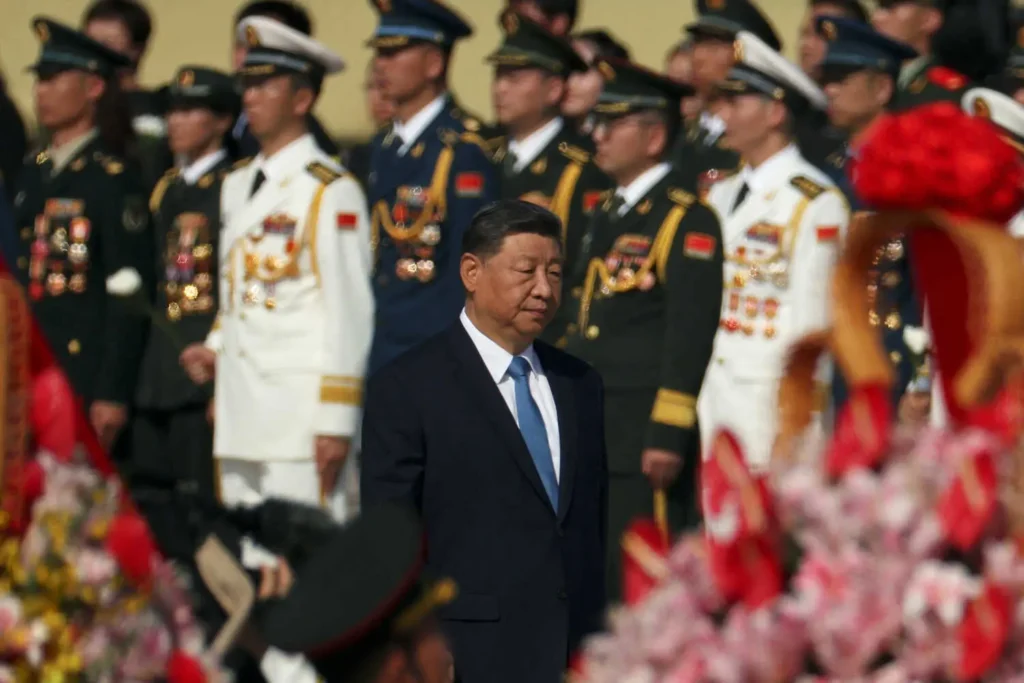
China’s President Xi Jinping’s ongoing purge of the military signals more than an anti-corruption campaign. It reflects a broader effort to enforce absolute loyalty within the People’s Liberation Army (PLA) at a time of rising geopolitical tension and internal uncertainty.

A Campaign That Goes Beyond Corruption

Since coming to power, Xi Jinping has framed military purges as part of a fight against corruption. However, recent removals of senior officers suggest a deeper motive. Analysts argue that loyalty to the Communist Party—and to Xi personally—has become the central requirement for advancement within China’s armed forces.

Several high-ranking generals have disappeared from public view, a common indicator of political investigation in China. These moves reinforce the message that ideological alignment matters as much as professional competence.

Why the Military Matters to Xi

Control of the military is critical to Xi’s authority. The PLA is not a national army in the Western sense but a party army, sworn to serve the Communist Party above all else. Xi has repeatedly emphasized that the military must remain “absolutely loyal, absolutely pure, and absolutely reliable.”

As China modernizes its forces and expands its global ambitions, Xi appears determined to eliminate any potential internal resistance. Loyalty, in this context, becomes a form of political insurance.

Strategic Timing and Global Pressures

The intensified purge comes amid heightened tensions over Taiwan, the South China Sea, and China’s broader rivalry with the United States. A disciplined and loyal military is seen as essential should a major crisis emerge.

Observers note that purges often accelerate during moments of perceived vulnerability. By tightening control now, Xi reduces the risk of dissent during future military or political challenges.

The Cost of Absolute Loyalty

While loyalty strengthens centralized control, it also carries risks. Critics warn that prioritizing political obedience over professional expertise may weaken decision-making within the military. Fear-driven leadership environments can discourage honest assessments and innovation.

This tension mirrors challenges seen in other highly centralized systems, where stability comes at the expense of adaptability.

What It Means for China’s Future

Xi’s purge of the military underscores a governing philosophy rooted in control and discipline. Whether this strategy produces long-term strength or hidden fragility remains an open question. What is clear is that loyalty—not just capability—has become the defining currency of power within China’s armed forces.